
![[HERO] Unlocking Peak Performance with Specialised Industrial Automation Engineering Services](https://cdn.marblism.com/8R9X4WDdge-.webp)
In today’s competitive industrial landscape, the pursuit of operational excellence has never been more critical. Facilities across manufacturing, resources, and processing sectors are under constant pressure to maximise output, maintain impeccable quality standards, and reduce operational costs: all while navigating increasingly complex regulatory environments. At the forefront of this operational transformation lies specialised industrial automation engineering, a discipline that integrates instrument, electrical, and control (IE&C) engineering to deliver systems capable of achieving peak performance.
The distinction between adequate automation and truly optimised systems often comes down to expertise. Specialised automation engineering services provide the technical depth and cross-disciplinary knowledge required to design, implement, and commission systems that perform flawlessly from day one: and continue to deliver value for decades to come.
1. The Foundation: Instrument, Electrical & Control Engineering
IE&C engineering forms the backbone of any sophisticated industrial automation system. This integrated discipline encompasses the design and implementation of instrumentation for measurement and monitoring, electrical systems for power distribution and safety, and control systems that orchestrate the entire operation.
When these three elements are engineered cohesively rather than in isolation, the result is a unified system architecture that eliminates the inefficiencies and vulnerabilities that plague piecemeal approaches. Instrumentation provides the sensory data: temperature, pressure, flow, level: that informs every control decision. Electrical engineering ensures reliable power delivery and compliance with safety standards. Control engineering ties everything together, translating process requirements into automated actions that maintain optimal operating conditions.
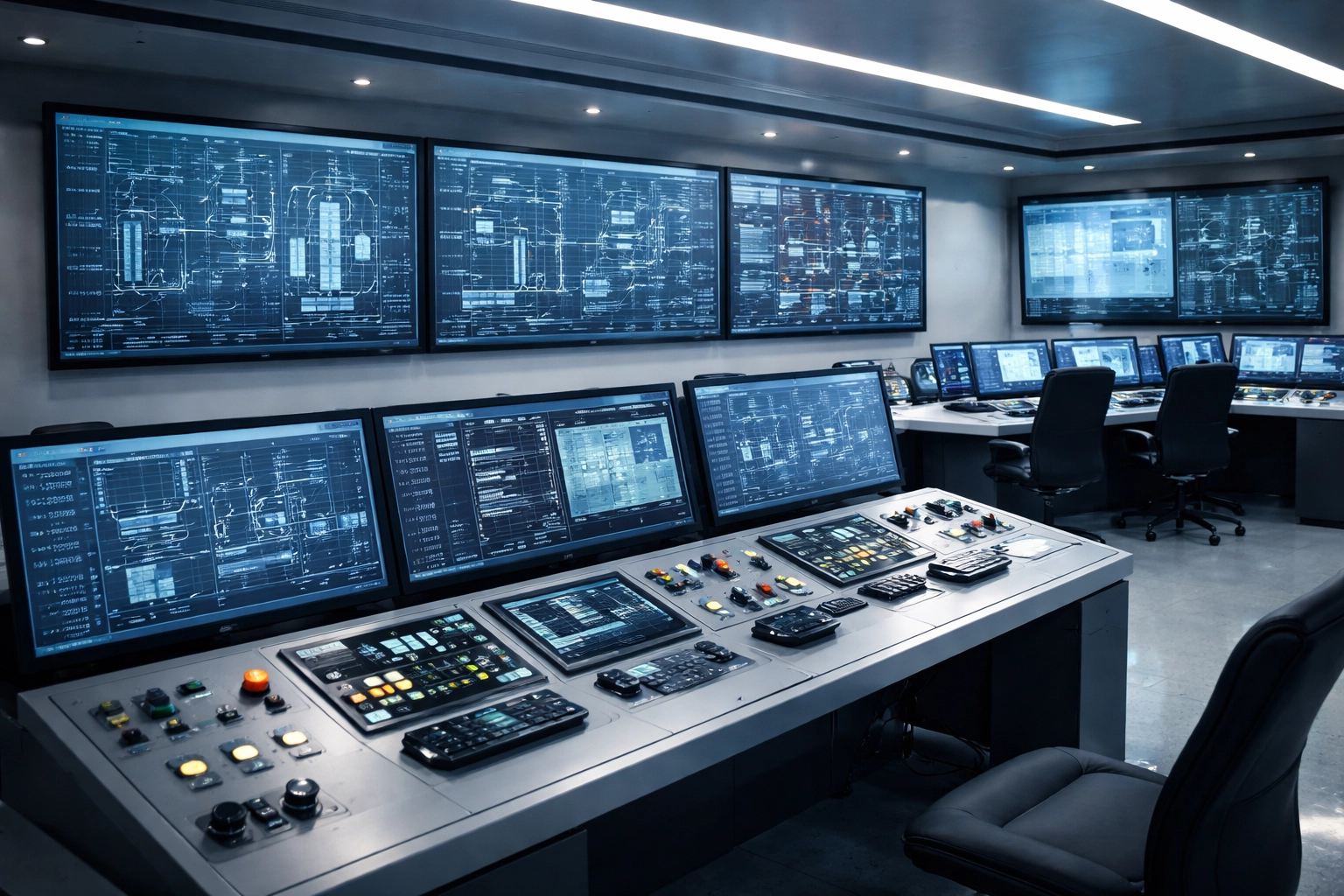
The complexity of modern industrial processes demands engineers who understand not only their individual discipline but also how each element interacts within the broader system. A control strategy is only as effective as the instruments feeding it data, and those instruments are only as reliable as the electrical infrastructure supporting them. This holistic perspective is what separates specialised IE&C engineering from conventional approaches.
2. Specialised Automation: Beyond Standard Solutions
While off-the-shelf automation solutions serve many applications adequately, industrial facilities with unique process requirements or demanding performance targets require something more. Specialised automation engineering delivers bespoke systems tailored to the specific challenges and objectives of each project.
This specialisation manifests in several key areas:
- Custom control strategies designed around your specific process parameters and performance goals
- Integration of advanced technologies including adaptive control, real-time optimisation, and predictive algorithms
- Seamless interfacing with existing plant infrastructure, legacy systems, and enterprise-level software
- Scalable architectures that accommodate future expansion and technological evolution
Specialised automation engineers work cross-disciplinarily, collaborating throughout system design, implementation, testing, and maintenance. Their expertise spans the full spectrum of automation technologies: from PLC and DCS programming to SCADA system integration and HMI development. This breadth of knowledge enables them to solve complex integration challenges while facilitating continuous process improvements.
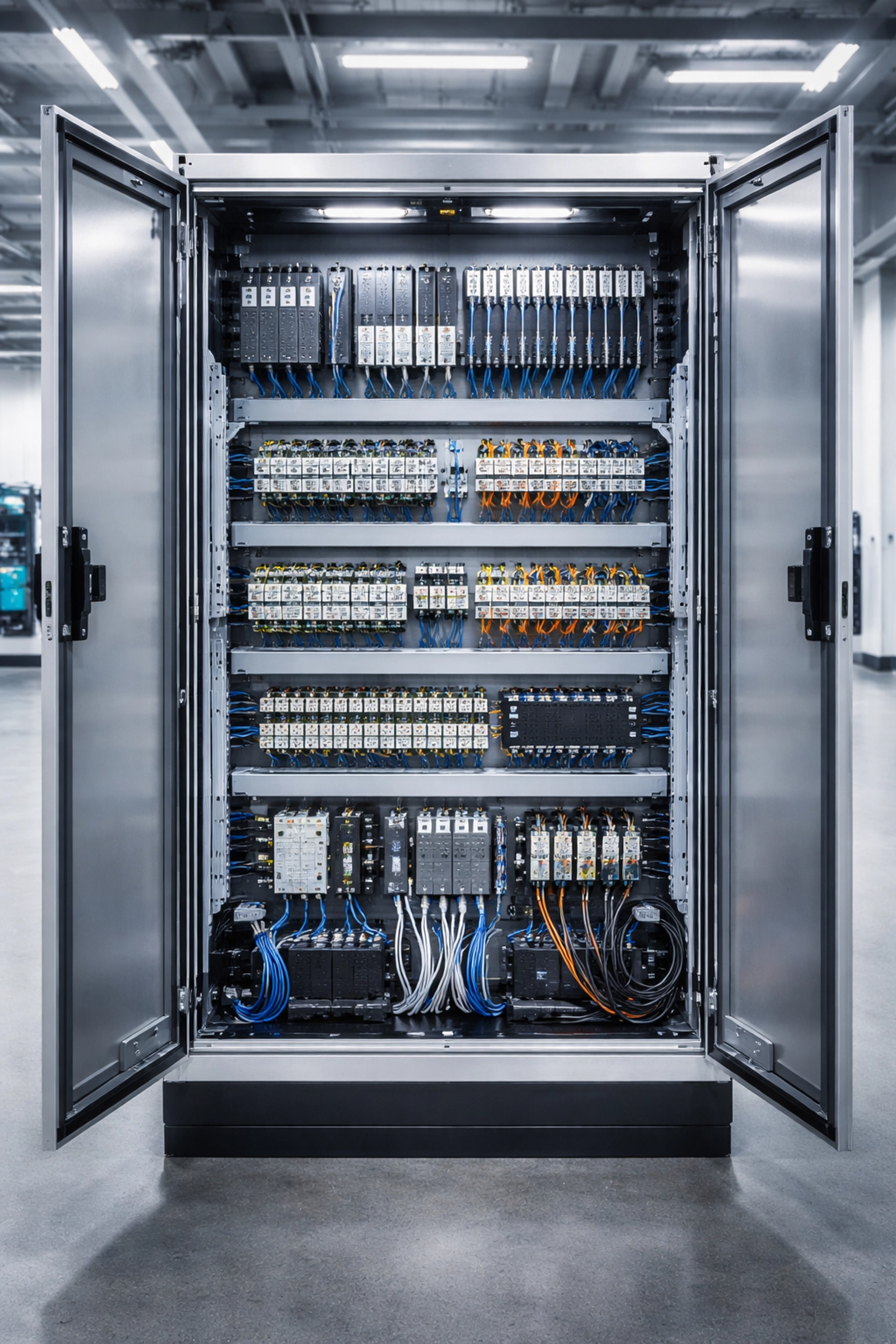
The value of specialisation becomes particularly evident in industries with stringent requirements. Whether it involves maintaining precise temperature profiles in a processing facility, coordinating complex material handling systems, or ensuring fail-safe operation in hazardous environments, specialised automation engineering delivers solutions that standard approaches simply cannot match.
3. Commissioning and Completions: Where Performance is Proven
The design and installation of an automation system represent only part of the journey toward peak performance. It is during commissioning and completions that systems are truly proven: tested, calibrated, optimised, and validated against their intended performance criteria.
Commissioning encompasses a systematic process of verifying that all components and systems function correctly, both individually and as an integrated whole. This includes:
- Factory acceptance testing (FAT) to verify equipment performance before delivery
- Site acceptance testing (SAT) to confirm proper installation and integration
- Loop checking and instrument calibration to ensure measurement accuracy
- Functional testing of control logic, interlocks, and safety systems
- Performance testing to validate that the system meets design specifications
Completions extend beyond technical verification to encompass documentation, training, and handover activities that ensure your operations team can maintain peak performance long after the project concludes. This includes as-built documentation, operating procedures, maintenance schedules, and comprehensive training programmes.
The quality of commissioning directly impacts the reliability, safety, and efficiency of your facility for years to come. Shortcuts taken during this critical phase inevitably manifest as operational issues, unplanned downtime, and diminished performance. Expert commissioning services eliminate these risks, delivering systems that perform as intended from the moment they enter service.
4. The End-to-End Advantage: From Concept to Completion
Perhaps the most significant advantage of engaging specialised automation engineering services lies in the continuity of expertise from project inception through to final handover. This end-to-end approach ensures that the knowledge and intent embedded in early design decisions carries through to implementation and commissioning without loss or dilution.
When a single team manages the entire project lifecycle, several benefits emerge:
Design Integrity : The engineers who develop the control philosophy and system architecture are the same professionals who implement and commission it. This continuity eliminates the miscommunication and interpretation errors that frequently occur when projects pass between multiple contractors.
Optimised Solutions : End-to-end involvement enables engineers to optimise solutions holistically rather than within arbitrary boundaries. Decisions made during design consider implementation practicalities, while commissioning insights feed back into design improvements for future projects.
Accountability : A single point of responsibility for the entire project eliminates the finger-pointing that often accompanies multi-contractor arrangements. When issues arise, there is no ambiguity about who owns the resolution.
Efficiency : Reduced handover requirements, eliminated duplication of effort, and streamlined communication all contribute to faster project delivery and reduced costs.
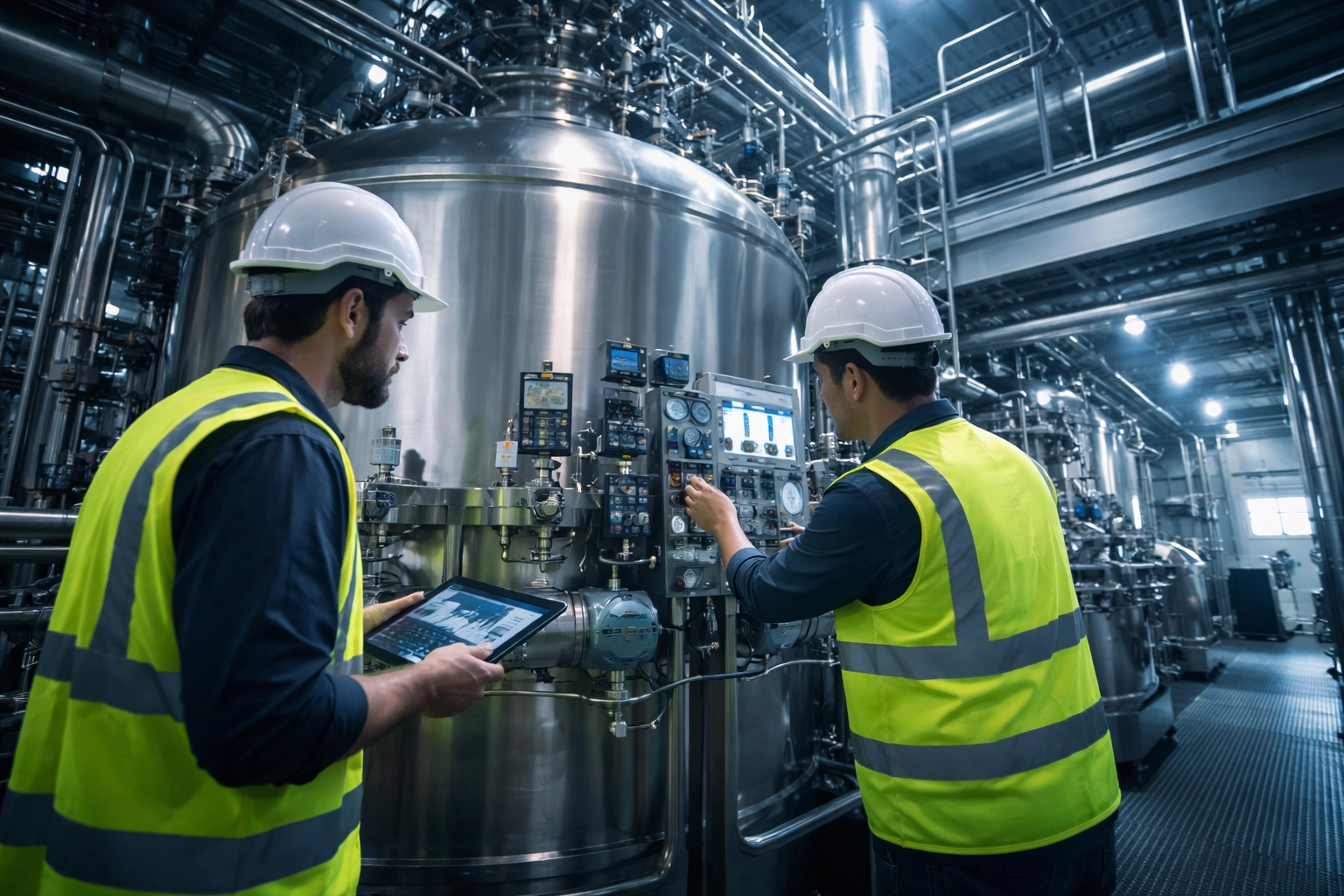
This integrated approach is particularly valuable for complex projects where the interactions between systems are as critical as the systems themselves. The engineers who designed your control strategy understand its nuances intimately: and that understanding proves invaluable during commissioning when real-world conditions inevitably differ from design assumptions.
5. Data-Driven Performance Optimisation
Modern automation systems generate vast quantities of operational data, creating opportunities for continuous performance improvement that extend well beyond initial commissioning. Specialised automation engineering services increasingly encompass data analytics, predictive maintenance, and real-time optimisation capabilities that transform raw data into actionable intelligence.
Sensors, IoT devices, and integrated analytics platforms enable:
- Real-time performance monitoring with immediate visibility into key process parameters
- Predictive maintenance that identifies potential failures before they cause unplanned downtime
- Energy optimisation through analysis of consumption patterns and identification of efficiency opportunities
- Quality trending that detects subtle process drift before it impacts product specifications
The implementation of these capabilities requires not only the appropriate technology but also the engineering expertise to configure systems correctly, establish meaningful KPIs, and integrate analytics with operational workflows. This is where specialised automation engineering delivers value that extends far beyond the initial project: enabling your facility to achieve and maintain peak performance over its entire operational life.
6. Investing in Excellence
The decision to engage specialised industrial automation engineering services represents an investment in operational excellence. While the initial commitment may exceed that of more generic approaches, the returns: measured in improved efficiency, reduced downtime, enhanced quality, and lower lifecycle costs: typically deliver rapid payback.
Automated systems that operate continuously without fatigue enable production cycles that dramatically increase output. Tasks performed with machine precision eliminate the variability inherent in manual operations. Predictive maintenance prevents costly breakdowns before they occur. These benefits compound over time, delivering value that far exceeds the initial investment.
In an era where industrial competitiveness hinges on operational excellence, specialised automation engineering services provide the expertise required to unlock peak performance. From the foundational disciplines of instrument, electrical, and control engineering through to expert commissioning and completions, the end-to-end approach ensures that your automation investment delivers its full potential. The path to peak performance begins with the right engineering partner: one with the specialised expertise to take your project from concept to completion.
For facilities seeking to optimise their operations through advanced automation solutions, PAStech delivers the specialised IE&C engineering, automation expertise, and commissioning excellence required to achieve peak performance.
